Brattleboro Historical Society Founder John Carnahan Final Interview

Brattleboro Historical Society founder, John Carnahan has passed. We interviewed John in August of 2022 at his home. We think the is the last recorded interview with John. It’s about 35 minutes long. Throughout the interview John’s intelligence, thoughtfulness, humility, and love of Brattleboro are evident. If you did not know John, we think you will like and respect him. Reggie Martell , also recently passed, filmed and produced the video . BHS interview August 22, 2022 https://youtu.be/YvE4e9wD-cQ?si=O2h1E4HHL7VouCUP
Continue reading
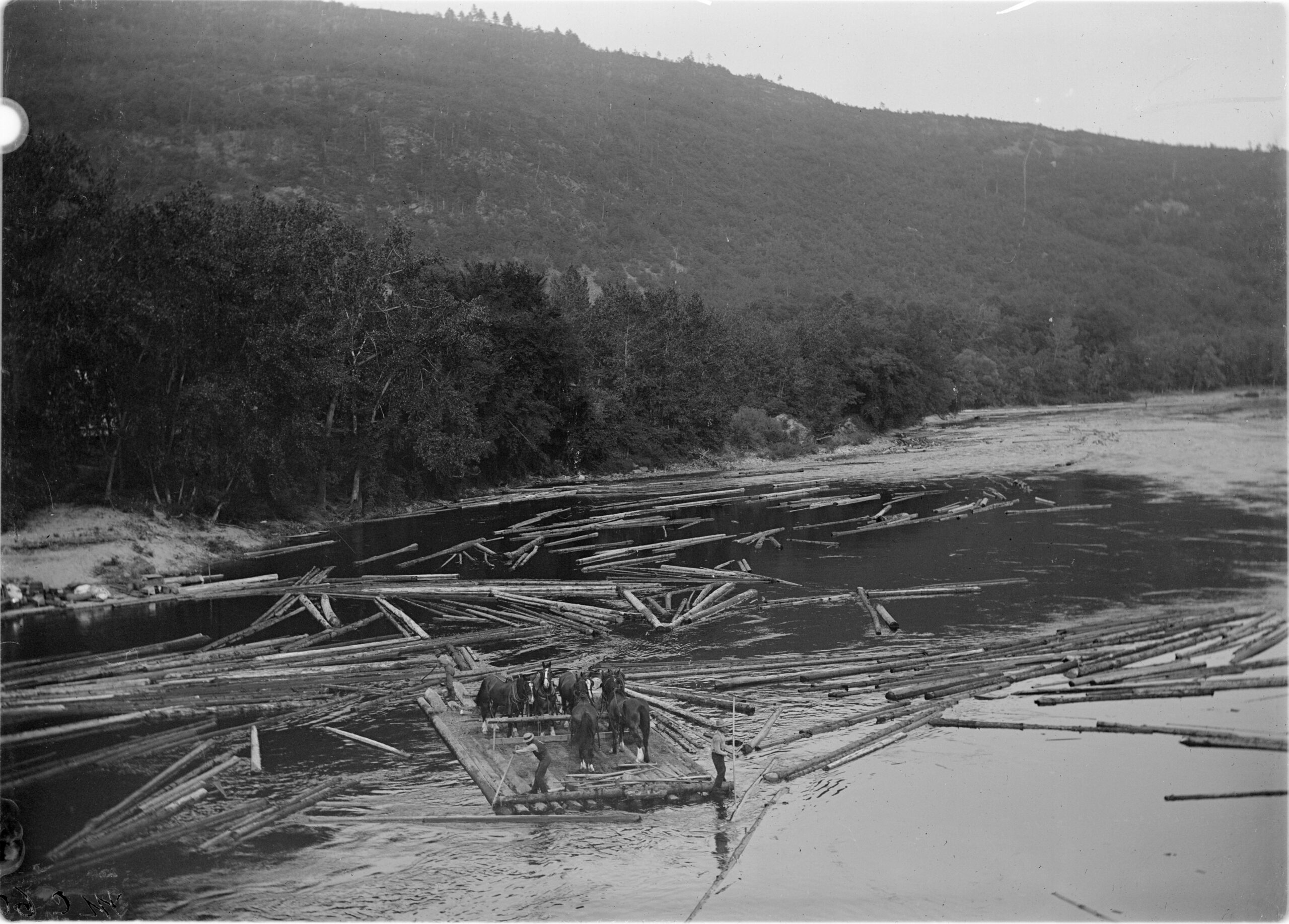
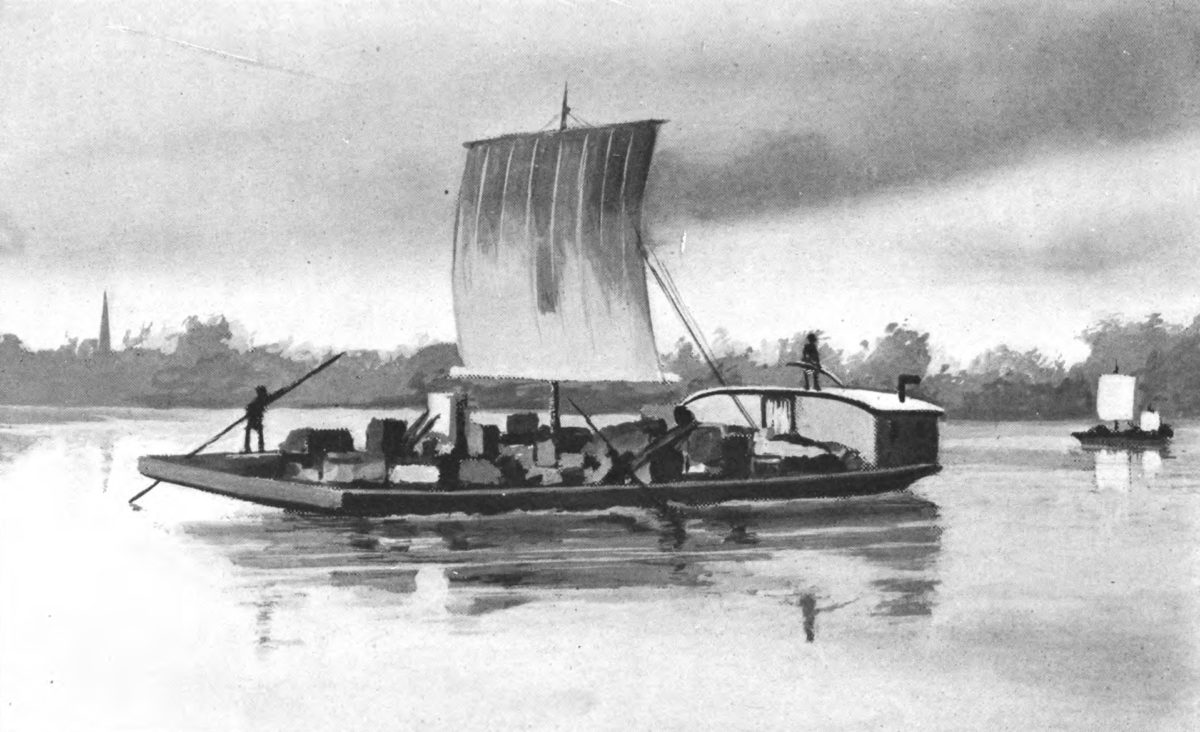
flatboat image

How Did Flatboats Work?

This week in Brattleboro history we are going to focus on early trade and transportation. Before interstate highways and train rails there was the Connecticut River. The Abenaki used the river to trade tools and goods throughout New England. When Europeans arrived in the 1700’s, they too, wanted to move goods along the Connecticut River. However, falls in Hadley and Turner’s Falls limited the amount of goods that could be moved along the river at one time. Most merchants looking to move goods into Vermont chose to use oxen and carts. This was slow and expensive. In 1795 a canal was built around the falls in Hadley, Mass. and in 1798 a canal was completed around Turner’s Falls. This opened up the ability to ship goods from Brattleboro to Hartford, Connecticut, and then to the Atlantic Ocean. Brattleboro’s John Holbrook was the first businessman in the area to take advantage of the canals and began […]

Continue reading

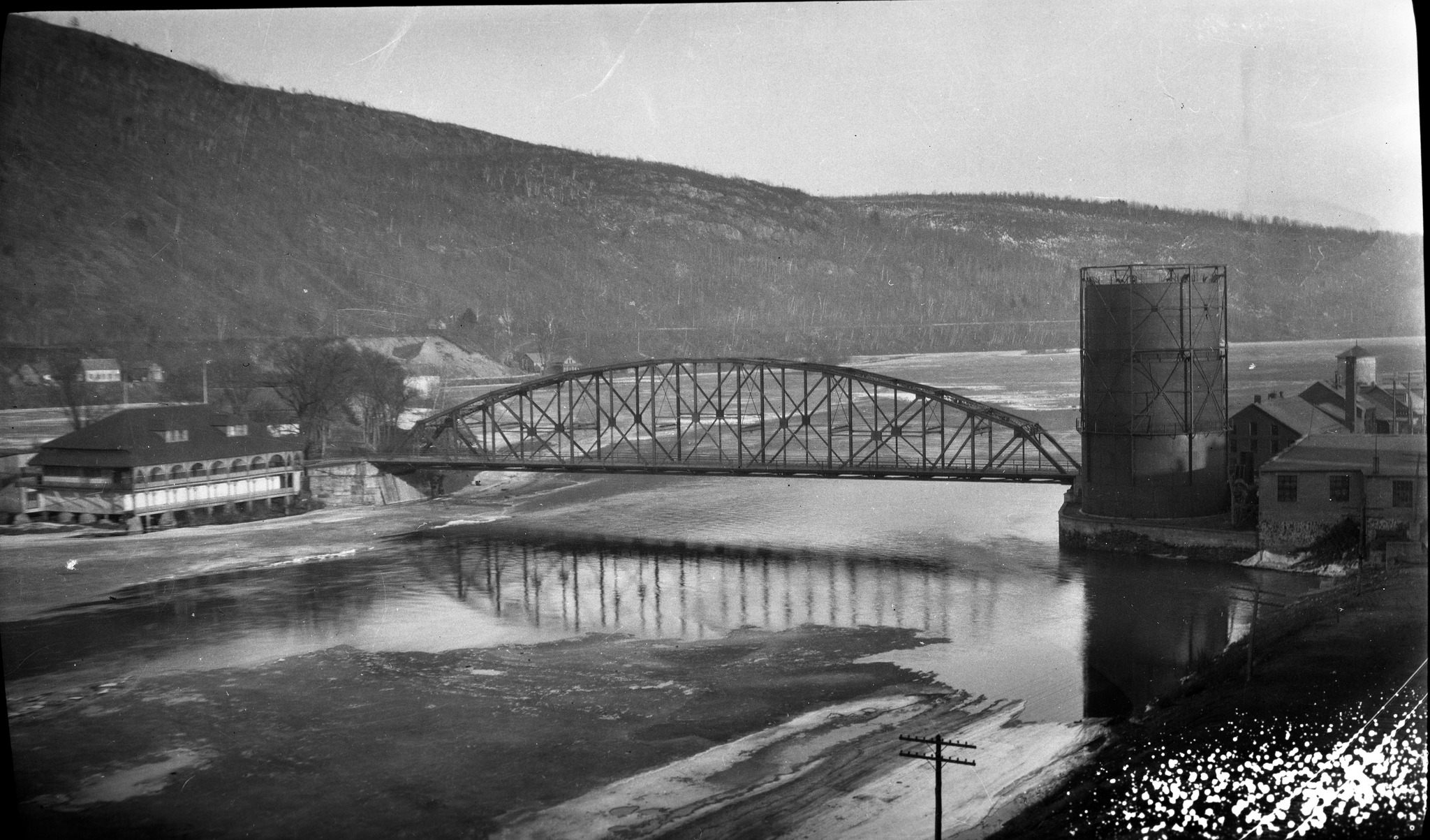
Hinsdale Bridge History – Eight and Counting…

Saturday, March 28, 1920 the Hinsdale Bridge between Brattleboro and Island Park collapsed into the Connecticut River. The winter had produced a great deal of snow, a warm spell caused a quick melt, and eight to ten inches of ice were still on the river. The Brattleboro Daily Reformer gave the following description of what led to the bridge collapse. “The effect of the warm sun on the super abundance of snow in the woods was beginning to be felt…Brooks swollen by the contents of other brooks fed by smaller tributaries had been pouring into the Connecticut River for days, and the accumulated volume reached flood proportions…The ice jam at East Putney broke away about 5 o’clock, snapping off trees on the river banks as though they were toothpicks in a giant’s hand. When the river here began filling…it was known that the East Putney jam had arrived…With the water higher than ever the thunderous […]

Continue reading

Log Drives

In March of 1916 the Brattleboro Reformer ran an article explaining that the great Connecticut River log drives that had impacted our region since 1869 were done. For 45 years the river towns witnessed log drives that began in late March and ended in early September. Those log drives were over. In 1915, 500 lumbermen guided 65 million board feet of full-length tree logs from the northern reaches of the Connecticut River in New Hampshire and Canada to the Mt. Tom Sawmill just south of Northampton, Massachusetts. It took five months for the logs to reach their destination. There were many economic reasons that brought about the end of the log drives. Extensive logging had been going on along the river for 45 years. The remaining trees were getting smaller. It took three times as many individual logs to get the same amount of board feet as was produced in 1885. In other words, it […]

Continue reading

Development and Indigenous Burials

In 1922 the business community was pretty excited.  Companies along Vernon Road were having a great deal of success.  The White River Chair Company, Crosby Milling and Fort Dummer Cotton Mill had all settled into the southeast corner of town and caused a housing boom. Adding to the excitement was the announcement that Presbrey-Leland of New York was building a granite cutting shed at the location of the Maine-based Snow Flake Canning Company.  The corn canning company had located on Vernon Road in 1898 but was a seasonal employer, while Presbrey-Leland promised year round skilled union jobs. The canning company buildings were sold off and dismantled.  In their place foundations for a large granite plant were dug along the Connecticut River.  It was during this process that three human skeletons were unearthed.  For three days in a row, during October, 1922, a skeleton was dislodged from its grave about 30 feet from the riverbank and […]

Continue reading

Bridges and Floods

In 1889 a “remarkably strong and substantial” suspension bridge was built across the Connecticut River to connect Brattleboro with Chesterfield, NH. It was the culmination of a series of negotiations designed to improve east/west transportation between Brattleboro, Chesterfield and Hinsdale, NH. The bridge was built by the Berlin Bridge Company of Connecticut. At the beginning of 1888 there was a toll bridge between Brattleboro and Hinsdale, NH which traversed the island in the middle of the Connecticut River. This toll bridge crossing had existed for over 80 years and was a private enterprise. During the year it was proposed that Hinsdale and Brattleboro go in together to “free” the bridge by purchasing it from corporate owners. By eliminating future tolls it was thought that commerce between the two towns would improve and travel between NH and Vt would become more egalitarian. Each town held special votes. Hinsdale voted first and thought they should contribute $5,000 […]

Continue reading

Soldiers’ Monument Tablet on Juneteenth

On June 19, 2022 the town of Brattleboro unveiled a corrective and interpretative tablet that was placed next to the Civil War Soldiers’ Monument.  A town committee crafted the text of the tablet and the Select Board approved the new installation and funding for the project. The inaccuracy of the monument was first brought to the town’s attention in January 2020 by Brattleboro Area Middle School students. In 1887 the town erected a monument on the Common which stated 31 men serving Brattleboro had died in the Civil War while 385 had served…research conducted using vermontcivilwar.org, Vermont’s Revised Roster of Vermont Volunteers in the War of the Rebellion, Cabot’s Annals of Brattleboro, Fuller’s  Men of Color, To Arms!, Burnham’s Brattleboro: Early History,  and Civil War-era digital newspapers revealed more information. After reviewing the research conducted by BAMS students and historical society members, we believe a more accurate count would be ENLISTED 450  DIED IN SERVICE […]

Continue reading
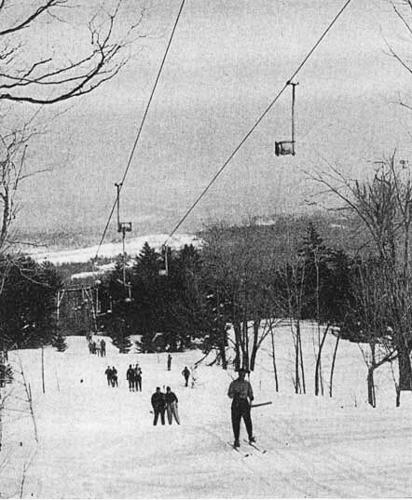
ski tow

Brattleboro’s Burgeoning Ski Industry

In 1935 Brattleboro was well-known in the burgeoning New England skiing community. The annual Brattleboro Outing Club ski jump attracted thousands of people to the area every year. New Englanders came to Brattleboro all winter to experience winter sports opportunities. For example, in January 1935, 700 people arrived on a special “Winter Sports” train originating from New London, Conn. The 13-coach train pulled into the station at noon and the skiing enthusiasts remained until 6 p.m. The Brattleboro Outing Club provided ski jumping and slalom races on the Cedar Street hill for the visitors. In February 1935 Brattleboro hosted the New England Ski Championships. The events included ski jumping and slalom racing. It was reported that 3,000 paying customers attended the activities. Specially scheduled trains from Connecticut and Massachusetts brought 1,250 of the attendees. One of the attendees at the Championships was Nancy Reynolds, a student at Bennington College and a skiing enthusiast. She often […]

Continue reading
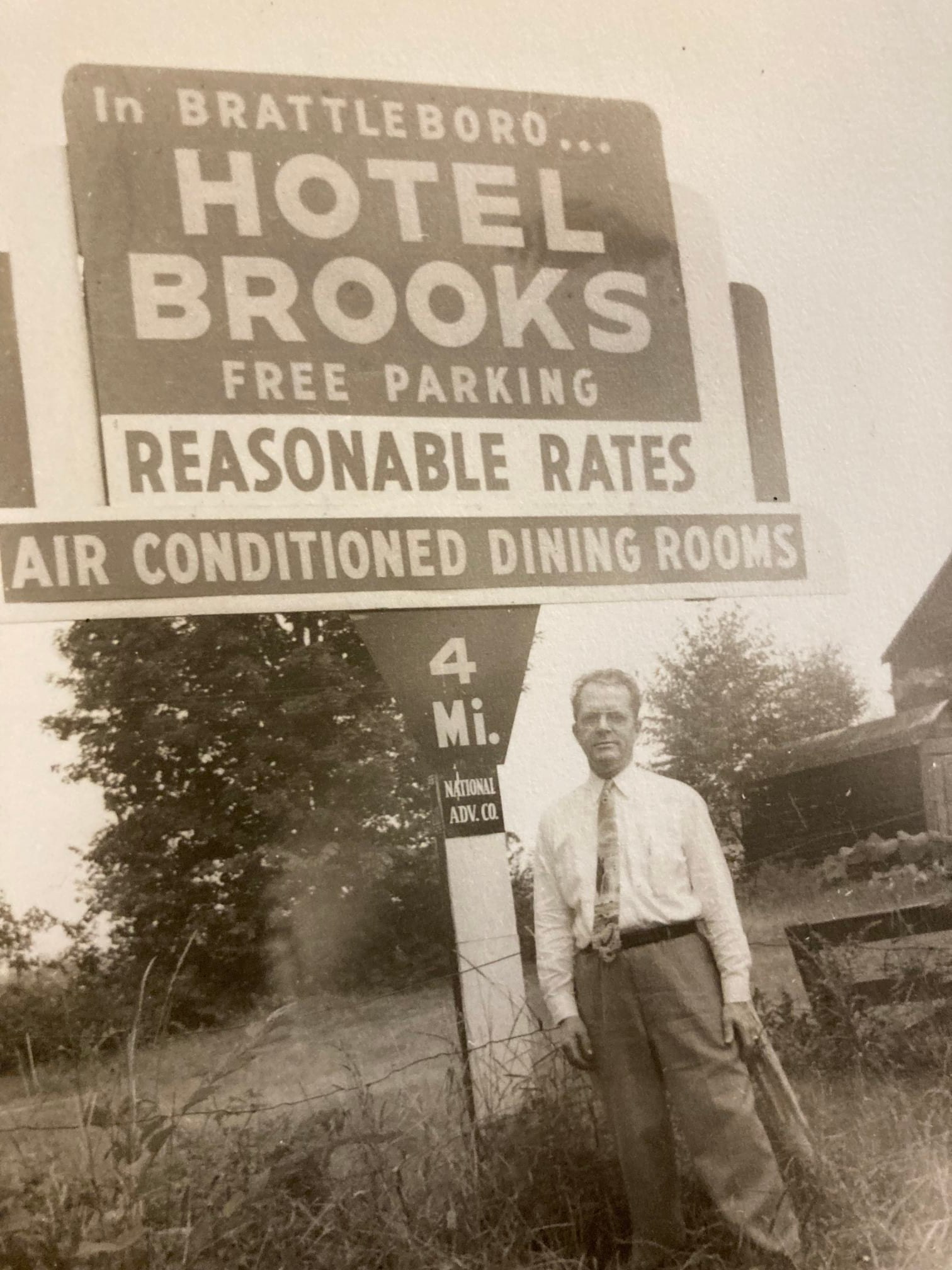
George Bemis

George Bemis and the Phone Message for Coolidge

In 1954 George Bemis became the owner and manager of Hotel Brooks. In 1976 he was honored as the Chamber of Commerce’s Man of the Year. During his time in town he was a big supporter of the Brattleboro Outing Club. At the dinner, held at Dalem’s Chalet, Bemis explained his claim to fame happened in 1923. Bemis was a salesman making his monthly sales trip to Plymouth, Vt. He was in the General Store, (where the only phone in town was located) when the owner of the store answered the phone and took a call from the White House. The call was considered urgent so the owner asked Bemis to run a mile up the road in the pouring rain to get Vice President Calvin Coolidge and bring him back to the store. Bemis did this and sheltered the Vice President with his umbrella on the way back so he could take the message […]

Continue reading

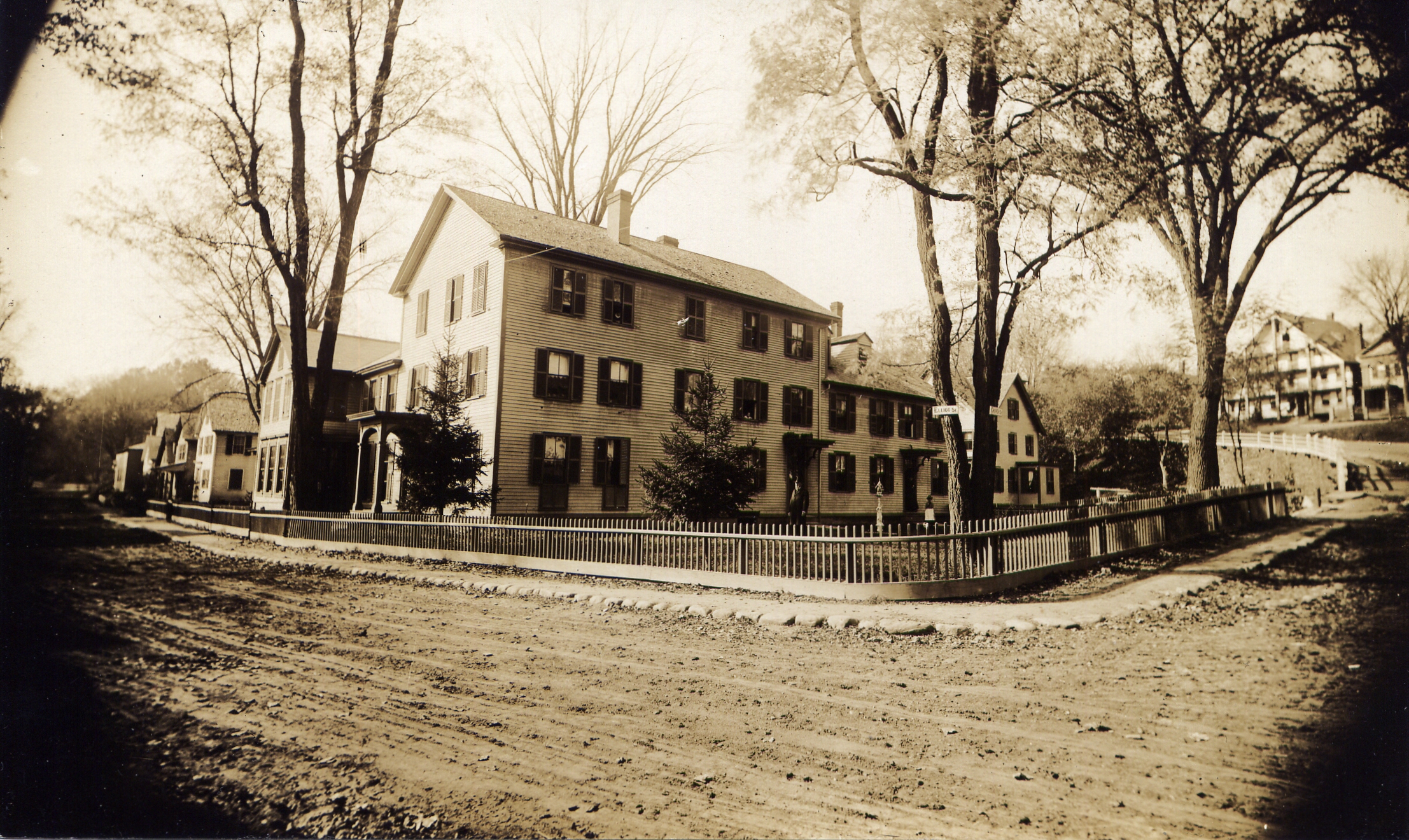
Wesselhoeft Water Cure

Dr. Wesselhoeft In the 1840’s one in five children born alive did not live to see their 1st birthday. The average life expectancy was less than 40 years. Many doctors bled their patients when they didn’t feel well and prescribed medicines that contained mercury and other poisonous metals. About half of the patients who had surgery died from infections. It was in this medical uncertainty that Dr. Robert Wesselhoeft arrived in Brattleboro and established a “water cure” treatment facility on Elliot Street. The “water cure” aimed to work with nature to heal the body instead of attacking the body with man-made medicines. Fresh air, exercise, healthy foods, community and lots of water were the cornerstones of the Brattleboro Hydropathic Institution, locally known as the Wesselhoeft Water Cure. The “water cure” promoted a healthy lifestyle of diet and exercise. It was thought that many of the ailments facing people of the mid-1800’s stemmed from poor medical […]

Continue reading

Snow Removal Equipment – Changes Over Time

By WAYNE CARHART In New England when people lived mostly on farms, snow removal was limited to clearing a path from the house to the barn if the two buildings were not connected by a series of sheds, as they often were. Most of the occupant’s needs were met within the confines of their house and barn. Food, firewood, and silage had been stored so there was little need to travel over snow-covered roads. After the railroad and streetcars came to Brattleboro, snowplows and teams of men were hired to clear the tracks. No thought was given to actually removing the snow from the roads until after the arrival of the automobile. When roads were paved and people became more dependent on the automobile, the thought of not being able to use it in the snow was simply unacceptable to most citizens. Telegraph and then telephone and electric lines that were felled by a snowstorm […]

Continue reading
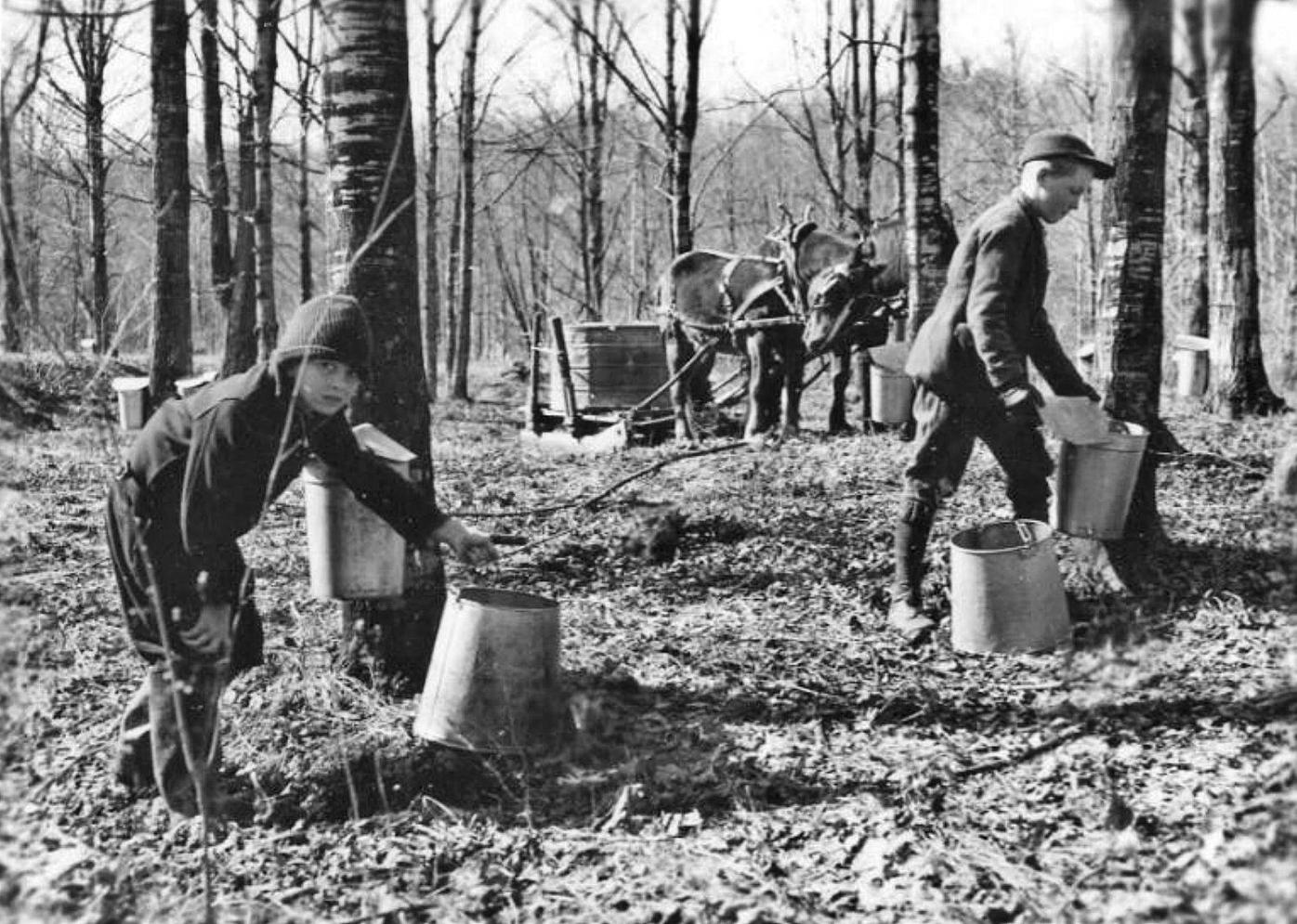
maple sugaring, gathering sap

Maple Sugaring

Sugar Import About 125 years ago the Vermont Phoenix, a Brattleboro newspaper, published an article by local sugar maker John Gale concerning the annual gathering of maple sap during the early spring. The practice was learned from Indigenous peoples of the Northeast and adopted by European colonizers as soon as they arrived in North America. Maple sap was an Indigenous seasonal drink that had a sweet taste. Native Americans made maple sugar by collecting sap and placing heated stones in the sap until it boiled, thickened and hardened into chunks of maple sugar. Solid natural sweeteners were easily stored and transported. In the 1700’s and early 1800’s maple sugar was much more popular than maple syrup. Cane sugar was another sweetener that became available in the 1700’s. It was an expensive import from the Caribbean slave islands so locally produced maple sugar was initially more popular in early Vermont. Maple in the 1800s In 1799 […]

Continue reading