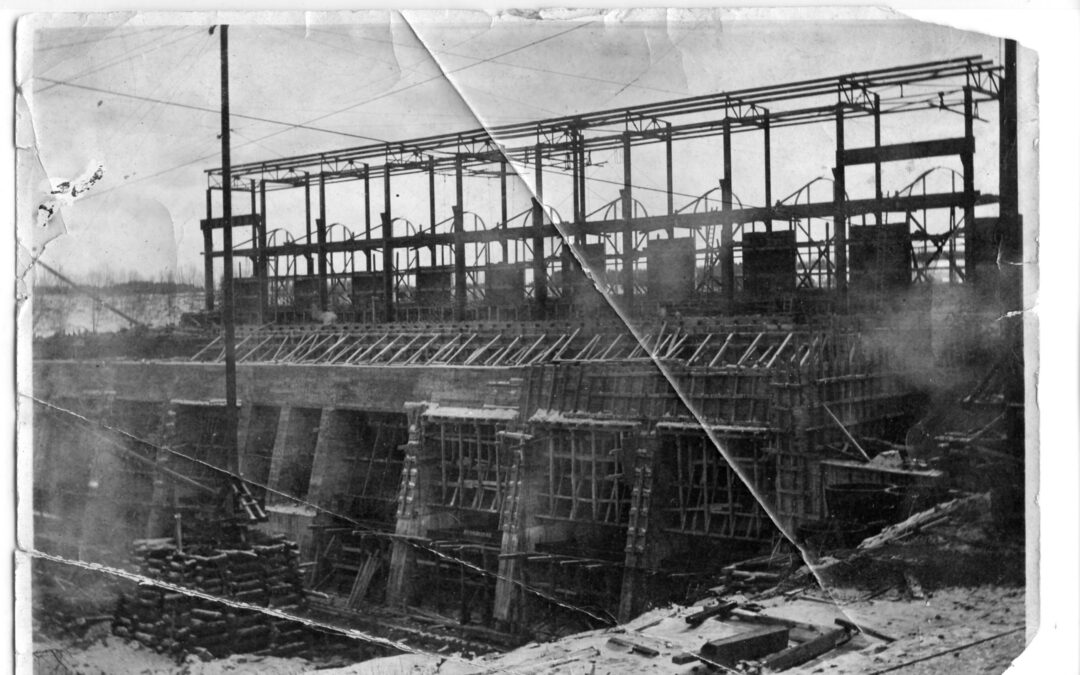
Brattleboro junction 1918

Deadly Flu Pandemic Hit Brattleboro in 1918

The first Brattleboro death from the flu epidemic occurred on September 30, 1918. The victim was a 36-year-old Fort Dummer Cotton Mill worker named Isidor Bellair. He was a French Canadian immigrant who had moved his family to Brattleboro two years earlier in order to find work at the mill. He was survived by his wife and six small children, the youngest being only 5 months old.

Continue reading

BHS Podcast Episode 305 – Laundry in Brattleboro

Laundry, Chinese Exclusion Act, Female Businesses, Technology, Immigration…this story has it all! The first commercial laundries emerged in the 1840’s with Steam Laundries appearing in the 1870’s…the Custom Laundry (female-owned) began in 1887 and operated until 2010.

Continue reading

Mount Wantastiquet

Foremost among Brattleboro’s many striking geographical features is Mount Wantastiquet. Rising some 1300 feet above sea level in Chesterfield, New Hampshire, the mountain looms over downtown Brattleboro from across the Kwenitekw/Connecticut River—a long, lush shoulder glittering green in spring and summer, burning red, orange, and gold through autumn, and blanketed white in winter.

Continue reading

Fort Dummer, by Jessica Nolan

By JESSICA DOLAN One of the historical sites in Brattleboro that is a key site for Indigenous history, and the history of competition between England and France to settle North America, is Fort Dummer. The history of Fort Dummer takes us into the beginning of the 18th Century, at a time when Sokokis, other Abenakis, and their Northern Seven Nations allies were trying to contain the English within the bounds of their existing colonies of Massachusetts, Connecticut, Rhode Island and New Hampshire, and prevent them from settling more Indigenous land to the North and West. Fort Dummer was the first European settlement in what later became Vermont; it was considered by the English to be a northern and western “frontier” of wilderness and Wabanaki territory. And yet, there is not much information about the fort, its land, and its site offered to residents or visitors of Brattleboro. During the time that it was built and […]

Continue reading

Oral History Project: Peter Gould

ORAL HISTORY PROJECT: THE VIETNAM WAR ERA with PETER GOULD In 1969 Peter Gould was, “tired of the Vietnam War, [and] angry at my county,” as he fled the disconsolate urban chaos in search of an alternative. He found it in at Packer Corners, in Guilford, Vermont and spent the next 9 years at the farm. In June of 2016 Peter sat with Brattleboro educator and historian Bill Holiday to recount those times in Peter’s personal narrative and the narrative of a remarkable place that lives on, nearly 50 years later

Continue reading

Brattleboro: The Defining Decades 1870-1920 Exhibit

By The Brattleboro Historical Society, Special to the Reformer Feb 15, 2019 In 1870 Brattleboro was in a lot of trouble. In the previous year two disasters had devastated much of the town. A flood had come ripping down the Whetstone Valley and destroyed many mills and businesses along the brook. The deluge had washed away the Main Street Bridge and before the damages could be repaired a fire burned the west side of the Main Street commercial district to the ground. All the buildings and businesses between Elliot and High streets were gone. Photo provided by The Brattleboro Historical SocietyTrolley tracks, the Brooks House and Town Hall (left) are visible. For eight months community leaders traveled to New England’s financial centers in hopes of finding companies or institutions that would be willing to invest in the rebuilding of our downtown and industries. There were no takers. Vermont’s economy was suffering from a post-Civil War […]

Continue reading

Construction of BUHS – The Brattleboro Union High School

This week in Brattleboro History we are traveling back seventy years, to June 21, 1949. It was on this date that Brattleboro voted to build a new high school on the fairgrounds. The old high school was on Main Street and many thought it was inadequate. There was no gym or auditorium. The classrooms were crowded. Parking was challenging and the heating system did not function very well. As one letter writer to the Reformer wrote, “It has been thirty years since the residents of Brattleboro first started talking about the need of a new high school…In the meantime, the nature of the world and the town of Brattleboro has changed immeasurably. Certainly those changes have not decreased the need for the kind and size of building required to give this town, its children and their teachers, a decent break”. The Main Street high school was built in 1884. In 1949 the Reformer did a […]

Continue reading

BHS Podcast e301 – Vermont Constitution and Indentured Servants

EPISODE 301 Vermont Constitution and Indentured Servants Apr 15, 2021 Hosts Amanda Doe Cameron James Todd Dawson In 1777 the Vermont Constitution banned some forms of bondage. In the historical society collection are indentured servant contracts that are examples of how some forms of bondage continued into the 1890’s…almost 30 years AFTER the 13th amendment to the US Constitution banned slavery and indentured servitude. Here’s the story… BrattHistoricalSoc · BHS e301-Vermont Constitution and Indentured Servants

Continue reading
An aerial photograph of the Holstein Association in downtown Brattleboro.

The Holstein Association

Since 1903, the largest dairy breed organization in the world has been headquartered in downtown Brattleboro. Still going strong over 100 years after its founding, Holstein Association USA is the central information hub for dairy producers all across the country, maintaining the records for all ancestry, identity, ownership and performance information on more than 22 million Registered Holstein cattle—the United States’ most popular diary breed.

Continue reading

Annual Meeting 2020

The Brattleboro Historical Society is holding its annual meeting on November 15 at 2pm via Zoom. The topic will be Jennie B. Powers: The Woman Who Dares. Details on how to join our Zoom webinar are below.

Continue reading

The Valley Fair

The Valley Fair in Brattleboro began in 1886. It was held for one day in the 2nd week of October and had over 5000 attendees. Farmers exhibited cattle, horses, poultry, sheep, pigs, dogs, fruits and vegetables, and many ribbons were awarded. It was an agricultural fair and the local organizers prided themselves on keeping the event alcohol-free, family friendly and without the Midway or carnival-like attractions that others incorporated into their events.

Continue reading

Neighborhoods: Centreville

SINCE 1860 – The (Nearly) Forgotten Centreville is a nearly forgotten neighborhood located mainly on Western Avenue, the busy Vermont Deli thrives today in the heart of it. Extending along Western Avenue from approximately I-91, Exit 2 to the Creamery Bridge, it includes Guilford Street to Elm Corners (intersection of Maple St. and Guilford St.) and the western end of Williams Street. The first mention of Centreville in newspapers was an 1855 in an advertisement. Centreville was once such a thriving community on its own that it was labeled as prominently as both its neighbors to the east (Brattleboro) and west (West Brattleboro) as early as 1860. Above section taken from 1860 C. W. Grau Map, 1860. THRIVING COMMUNITY Centreville once had thriving industries which included several large mills, farms and of course Centreville Store. Reminiscences BHS Trustee Karen Davis recently reminisced with other board members of life growing up in Centreville and we’d like […]

Continue reading