Fort Dummer and the Vernon Dam

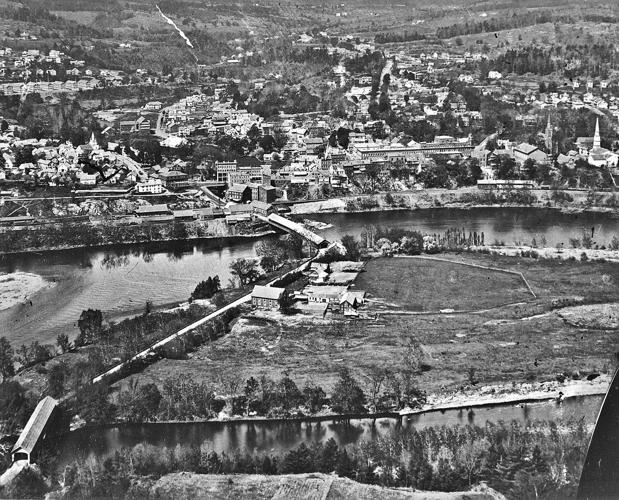
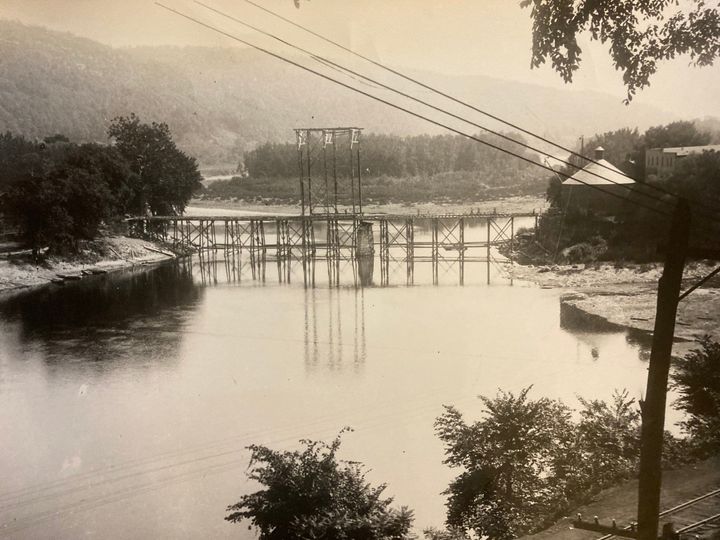
In 1976 the Brattleboro Reformer reported on the archeological dig that occurred at the Fort Dummer site along the Connecticut River.The site is about 1 mile south of downtown Brattleboro, along the Connecticut River. Fort Dummer was built on the banks of the Connecticut River in 1724. Its purpose was to protect English settlements in northern Massachusetts. There had been a series of attacks by the Abenaki and the French in this area and the Massachusetts colony built the fort to protect these settlers.Northampton and Northfield, Massachusetts were under constant threat of attack by an Indigenous leader known as Grey Lock and the French.The Abenaki viewed the English colonizers as invaders and fought in hopes of stopping the encroaching English advancements up the Connecticut River. When the fort was built it was immediately attacked by Indigenous people attempting to protect their land and way of life.Reports at the time recorded three or four English soldier deaths, […]
Continue reading

Steamboats and Connecticut River

Gravestone epitaphs have led us on interesting journeys. At Prospect Hill Cemetery there is a stone that overlooks the Connecticut River. Carved on one side is the following; “The grave of Alanson D. Wood, who was killed instantly on this river by the explosion of the Steamboat Greenfield, May 18, 1840, age 30.”

Continue reading

Hinsdale Bridge

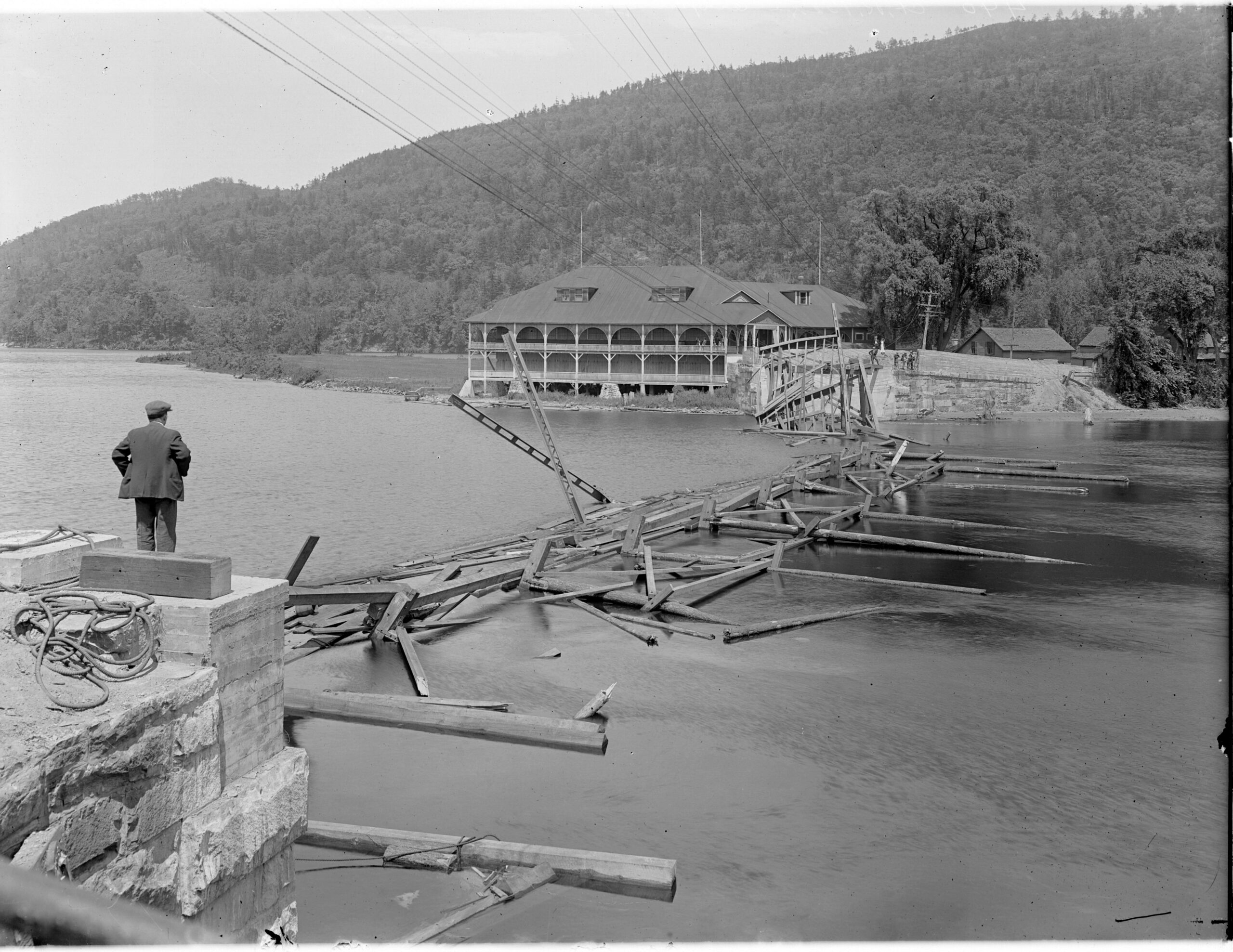
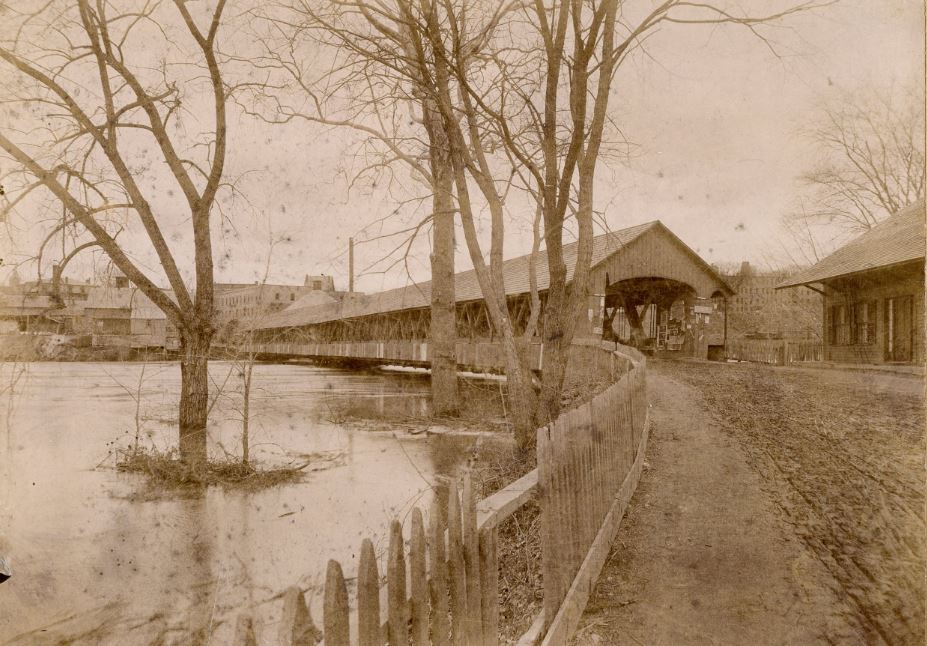
Saturday, March 28, 1920 the Hinsdale Bridge between Brattleboro and Island Park collapsed into the Connecticut River.  The winter had produced a great deal of snow, a warm spell caused a quick melt, and eight to ten inches of ice were still on the river.  The Brattleboro Daily Reformer gave the following description of what led to the bridge collapse. “The effect of the warm sun on the super abundance of snow in the woods was beginning to be felt…Brooks swollen by the contents of other brooks fed by smaller tributaries had been pouring into the Connecticut River for days, and the accumulated volume reached flood proportions…The ice jam at East Putney broke away about 5 o’clock, snapping off trees on the river banks as though they were toothpicks in a giant’s hand.  When the river here began filling…it was known that the East Putney jam had arrived…With the water higher than ever the thunderous […]

Continue reading
Steel bridge in 1903

New Bridge! Old Newspaper Accounts

Excerpts from local newspapers concerning the replacement of the covered bridge connecting Brattleboro with Hinsdale. March 7, 1902 The old Connecticut River Bridge in Brattleboro, known as the old toll bridge, had the closest call in its history and it is now in such battered and weakened condition that it will probably be a better policy to build a new bridge than to attempt to repair the old one. The damage to the bridge came through the extremely large quantity of ice in the river. The ice went out with a tremendous crash and it was forced so high in the air that it tore away the braces on both sides of the center pier of the bridge and also at the pier on the Vermont shore. Mr. Adams, who occupies barns on the island, moved his horses and wagons to the village and the people on the island were obliged to leave for safety. […]

Continue reading

Breweries & Prohibition

C2H5OH: BANNED!
Prohibition came to New England much earlier than it did to much of the rest of the country. In 1851 Maine passed a law banning the sale of alcoholic beverages. By 1855 all New England states had adopted a version of the Maine law, including Vermont.

Continue reading

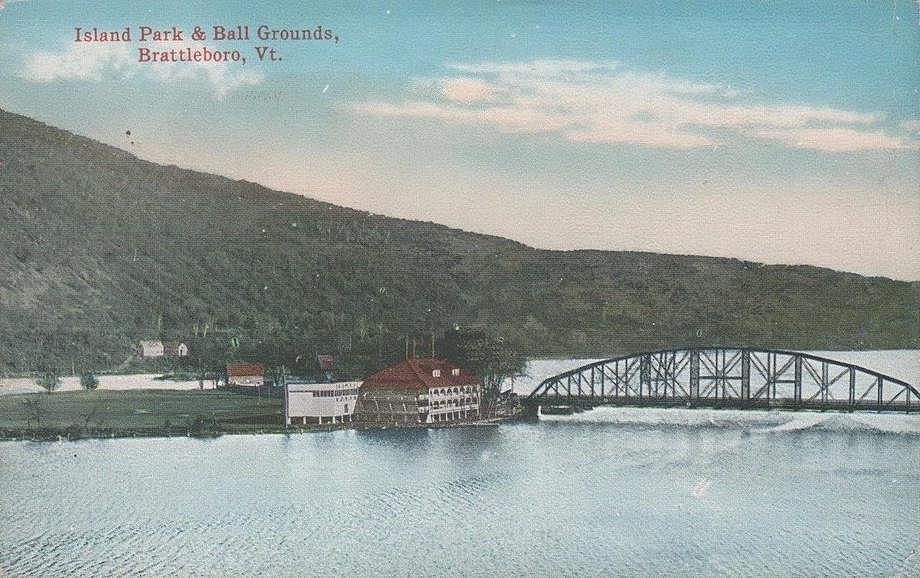
Island Park – Brattleboro’s Playground

In the Connecticut River there used to be a pretty big island between Brattleboro and Hinsdale. In the 1800’s it was over 22 acres. 1862 In 1862 a Connecticut Valley flood devastated the island. The tollhouse was washed away, as was the farmhouse, and when the waters subsided about eight sandy acres of land remained. By 1874 the largest chicken farm in the area had established itself on the island with over 2000 hens and chickens. In the 1880’s Brattleboro and Hinsdale joined together, bought the toll bridge company and made the bridge connection between the two towns free and open to the public. 1800s In the late 1800’s a brewery and saloon existed on the island and the island developed a sketchy reputation. In the early 1900’s Brattleboro and Hinsdale got into a disagreement about the brewery as Brattleboro had become a dry town, while Hinsdale was a licensed town that allowed the brewery […]

Continue reading
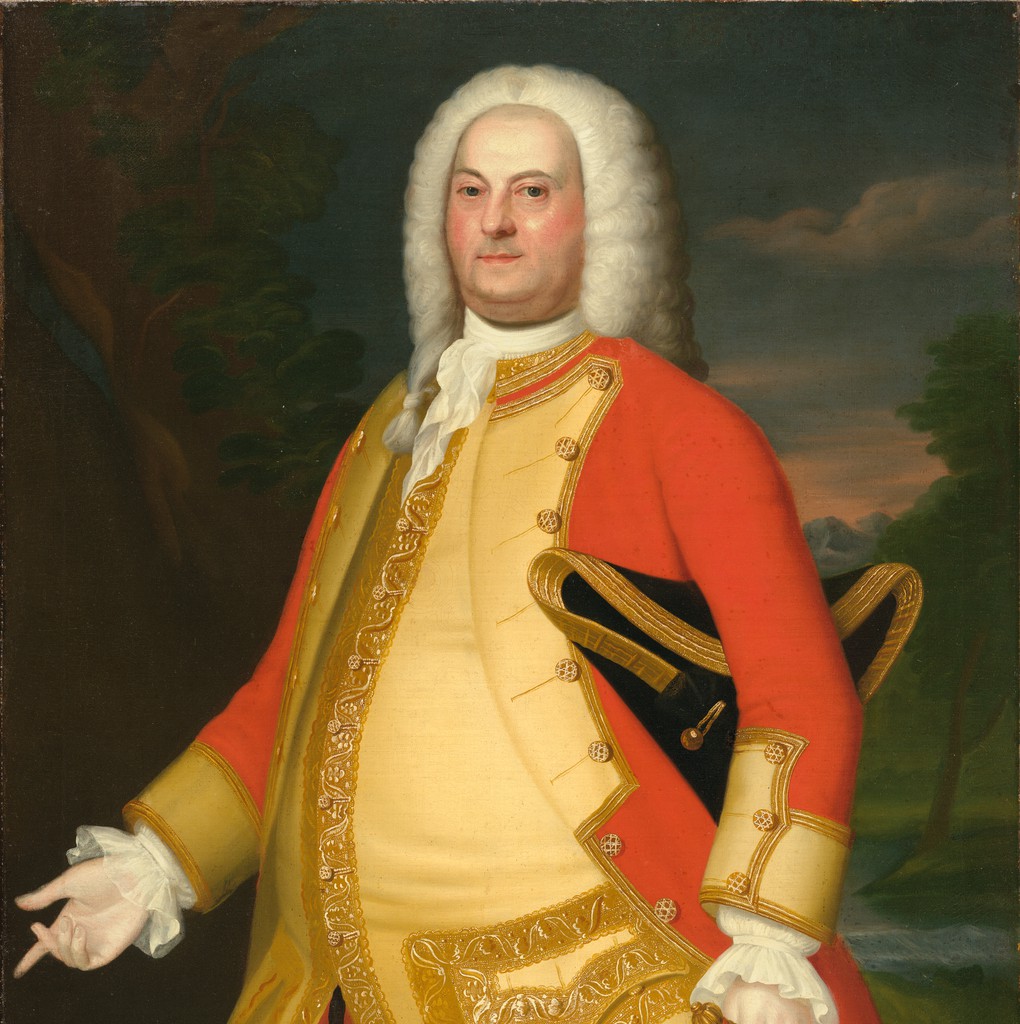
William Brattle portrait

Brattleboro’s Beginnings

ORIGINS: BRATTLEBORO’S BEGINNINGS Abenaki & Fort Dummer Prior to the 1700’s, Vermont was home to the Abenaki.  Fort Dummer was built as the first English settlement in Vermont in 1724. The view of the Connecticut River and Mount Wantastiquet from the former site of Fort Dummer THE FORT Lt. Governor William Dummer of the Massachusetts Bay Colony built Fort Dummer as protection against the Abenaki. The wooden, walled fort was the northern outpost of settlers along the Connecticut River and defended against native and French attacks. In 1728 it became a trading post. It was used until 1750 by troops as a fort when skirmishes broke out. The fort was located just south of Brattleboro in a place now submerged by the Connecticut River. It was located along the river for ease of transportation and because of the ability to watch who was going up and down the river in a strategic fashion. CHARLES C. […]

Continue reading

Fort Dummer, by Jessica Nolan

By JESSICA DOLAN One of the historical sites in Brattleboro that is a key site for Indigenous history, and the history of competition between England and France to settle North America, is Fort Dummer. The history of Fort Dummer takes us into the beginning of the 18th Century, at a time when Sokokis, other Abenakis, and their Northern Seven Nations allies were trying to contain the English within the bounds of their existing colonies of Massachusetts, Connecticut, Rhode Island and New Hampshire, and prevent them from settling more Indigenous land to the North and West. Fort Dummer was the first European settlement in what later became Vermont; it was considered by the English to be a northern and western “frontier” of wilderness and Wabanaki territory. And yet, there is not much information about the fort, its land, and its site offered to residents or visitors of Brattleboro. During the time that it was built and […]

Continue reading
Collapsed Bridge to Hinsdale - 1921

Hinsdale Bridge

The Hinsdale Bridge Collapse Saturday, March 28, 1920 the Hinsdale Bridge between Brattleboro and Island Park collapsed into the Connecticut River. The winter had produced a great deal of snow, a warm spell caused a quick melt, and eight to ten inches of ice were still on the river. The Brattleboro Daily Reformer gave the following description of what led to the bridge collapse. March 28, 1920 “The effect of the warm sun on the superabundance of snow in the woods was beginning to be felt…Brooks swollen by the contents of other brooks fed by smaller tributaries had been pouring into the Connecticut River for days, and the accumulated volume reached flood proportions…The ice jam at East Putney broke away about 5 o’clock, snapping off trees on the river banks as though they were toothpicks in a giant’s hand. When the river here began filling…it was known that the East Putney jam had arrived…With the […]

Continue reading

‘There’s A Bigger Story’: Recently Rediscovered Petroglyphs Bring Indigenous Narrative To Surface

Bigger Story: Recently Rediscovered Petroglyphs Bring Indigenous Narrative To Surface AT THE RETREAT MEADOWS – Written in the land This year brings the first official observation of Indigenous People’s Day in Vermont. It’s also a time to reflect on what this part of the world was like before any Europeans set foot here, and on a submerged river bank in Brattleboro, ancient petroglyphs offer a clue. Petroglyphs are images carved into natural stone. They’re only known to exist in two places in Vermont: one on the shore of the Connecticut River in Bellows Falls, the other in Brattleboro, where the West River and Connecticut meet… Read the rest at VPR: https://www.vpr.org/post/theres-bigger-story-recently-rediscovered-petroglyphs-bring-indigenous-narrative-surface#stream/0

Continue reading

Words on the Water: Stories of Wantastegok, the West River and Abenaki Presence

Words on the Water: Stories of Wantastegok, the West River and Abenaki Presence Friday, August 16, 2019 at 6:00 pm The Marina Restaurant, 28 Spring Tree Road, Brattleboro, VT 05301 Since construction of the Vernon Dam flooded the Retreat Meadows 110 years ago, Abenaki petroglyphs—ancient images carved in stone—have rested submerged, unseen evidence of the significant Native presence all around us.  A special installment of the monthly Brattleboro Words Project’s free Roundtable Discussion series will be held on the waters of the West River/Connecticut River confluence to explore this presence and celebrate ongoing Vermont Land Trust conservation efforts adjacent to the site at The Marina Restaurant on Friday, August 16 at 6:00 PM for “Words on the Water: Stories of Wantastegok, the West River and Abenaki Presence.”   Archaeologist and diver Annette Spaulding—whose 25-year search led to finding the petroglyphs, Rich Holschuh – member of the Vermont Commission on Native American Affairs, and anthropologist and Indigenous […]

Continue reading